A internet space for your business, where success begins online.
Creating a custom solution for a business website can significantly enhance your online presence and provide a platform for growth.
By implementing these custom solutions, you can effectively kickstart your online business and provide a seamless experience for your customers.
Key Features
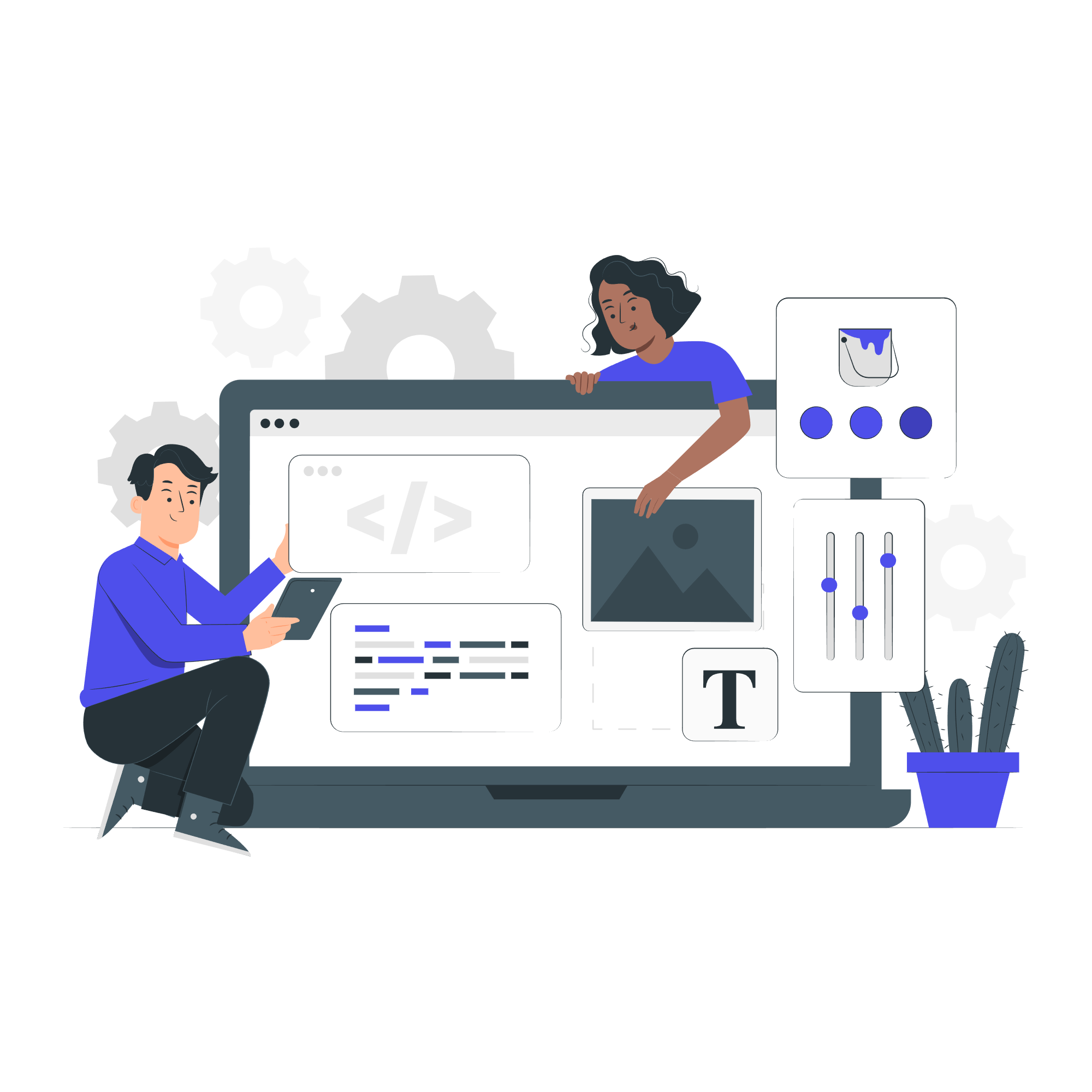
A digital marketing solution for your business, where success begins online.
Crafting a tailored digital marketing strategy can significantly boost your online presence and drive business growth.
By utilizing these customized marketing solutions, you can effectively enhance your online visibility and deliver a seamless experience for your target audience.
Key Features

An app development solution for your business, where innovation begins.
Developing a custom app can significantly enhance your business operations and provide a unique platform for customer engagement.
By leveraging these app development solutions, you can effectively streamline your processes and deliver a seamless experience for your users.
Key Features
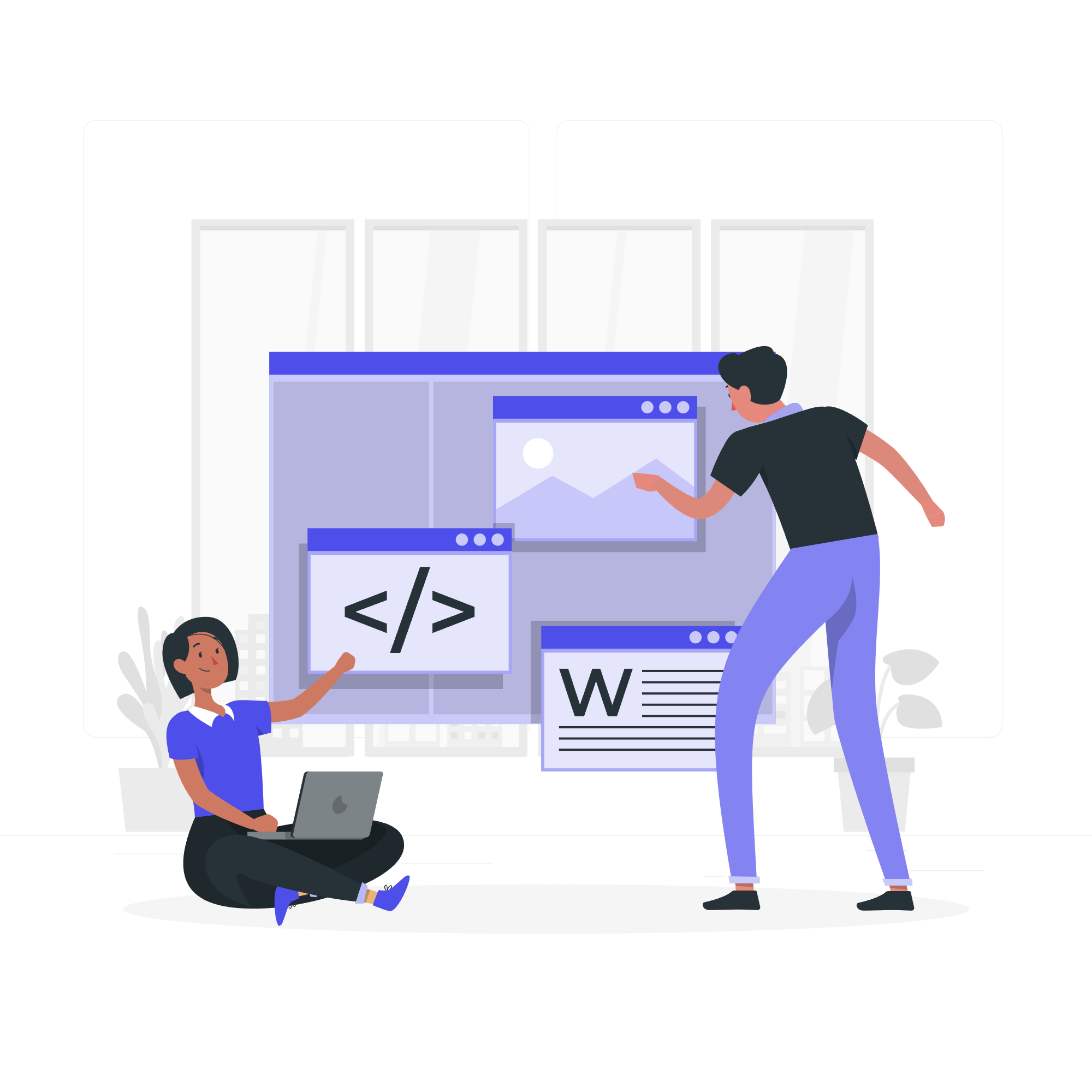
Revolutionizing Web Development
Revolutionizing Web Development with AI: Trends, Tools, and Future Prospects
Artificial Intelligence (AI) is profoundly transforming web development, introducing innovative solutions that enhance efficiency, personalize user experiences, and streamline complex processes. From automating routine tasks to creating intelligent, adaptive websites, AI is reshaping how web developers approach their work. This blog explores the integration of AI in web development, its benefits, applications, and the future trends that are set to redefine the industry.
The Role of AI in Web Development
AI in web development leverages machine learning, natural language processing, and data analytics to automate tasks, improve decision-making, and enhance user experiences. AI-driven tools and technologies are being integrated at various stages of web development, from design and coding to testing and maintenance.
Benefits of AI in Web Development
- Enhanced Efficiency
- AI automates repetitive and time-consuming tasks, such as coding, testing, and debugging, allowing developers to focus on more creative and strategic aspects of their projects. This boosts productivity and reduces development time.
- Improved User Experience
- AI enables the creation of personalized, intuitive, and adaptive websites. By analyzing user behavior and preferences, AI can tailor content and interface elements to meet individual needs, enhancing overall user satisfaction.
- Advanced Problem-Solving
- AI-powered tools can analyze vast amounts of data to identify patterns and trends, providing valuable insights for optimizing website performance, improving security, and resolving issues more efficiently.
- Cost-Effective Development
- By automating various aspects of web development, AI reduces the need for extensive human resources, lowering development costs and making high-quality web solutions accessible to smaller businesses.
Applications of AI in Web Development
- AI-Powered Design Tools
- AI-driven design tools like Adobe Sensei and Sketch2Code can generate design suggestions, automate layout adjustments, and convert hand-drawn sketches into HTML code. These tools help designers create aesthetically pleasing and functional websites more quickly.
- Intelligent Coding Assistants
- AI coding assistants such as GitHub Copilot and Kite provide real-time code suggestions, auto-complete features, and bug detection. These tools enhance coding accuracy and speed, making development more efficient and less error-prone.
- Chatbots and Virtual Assistants
- AI chatbots like Drift and Intercom can be integrated into websites to provide 24/7 customer support, answer queries, and guide users through the site. These chatbots enhance user engagement and improve customer service without the need for human intervention.
- Content Personalization
- AI algorithms analyze user data to deliver personalized content, product recommendations, and targeted advertisements. Tools like Optimizely and Dynamic Yield use AI to tailor web content to individual user preferences, increasing engagement and conversion rates.
- Voice Search Optimization
- With the rise of voice assistants like Siri, Alexa, and Google Assistant, optimizing websites for voice search is becoming crucial. AI helps in understanding natural language queries and adjusting website content to be more voice search-friendly, improving accessibility and user experience.
- Automated Testing and Debugging
- AI-powered testing tools such as Selenium and Testim automate the testing process, identifying bugs and performance issues more efficiently than manual testing. These tools ensure that websites are reliable, secure, and perform well under various conditions.
Future Trends in AI-Driven Web Development
- AI-Enhanced User Interfaces
- Future websites will feature highly adaptive and intuitive user interfaces powered by AI. These interfaces will learn from user interactions and dynamically adjust to provide a more personalized and seamless experience.
- Voice and Gesture Control
- As AI technology advances, voice and gesture controls will become more prevalent in web development. Websites will be able to recognize and respond to voice commands and gestures, offering a more interactive and accessible user experience.
- Augmented Reality (AR) and Virtual Reality (VR) Integration
- AI will facilitate the integration of AR and VR into websites, creating immersive and engaging experiences. These technologies will be used for virtual tours, interactive product displays, and more, revolutionizing how users interact with online content.
- AI-Driven SEO Optimization
- AI will play a significant role in optimizing websites for search engines. AI tools will analyze search trends, keyword performance, and user behavior to make real-time adjustments to SEO strategies, improving website visibility and ranking.
- Predictive Analytics for User Behavior
- AI will enable more sophisticated predictive analytics, allowing developers to anticipate user needs and behavior. This will lead to the creation of proactive and highly personalized web experiences that adapt to individual user journeys.
- Increased Focus on Security
- AI will enhance web security by identifying and mitigating threats in real-time. AI-driven security tools will monitor network traffic, detect anomalies, and respond to potential attacks, ensuring that websites remain secure and trustworthy.
Implementing AI in Web Development
- Identify Objectives and Use Cases
- Begin by identifying the key objectives you want to achieve with AI, such as improving user experience, increasing development efficiency, or enhancing security. Determine specific use cases where AI can provide the most value.
- Choose the Right AI Tools
- Research and select AI tools that align with your objectives and use cases. Consider factors such as ease of integration, scalability, and the specific features offered by each tool.
- Collect and Analyze Data
- AI relies on high-quality data to function effectively. Ensure that you have robust data collection mechanisms in place and use AI to analyze this data for actionable insights.
- Start Small and Scale Gradually
- Implement AI in small, manageable projects to test its effectiveness and refine your approach. Once you have proven the value of AI in specific areas, gradually scale up your AI initiatives to cover more aspects of your web development process.
- Monitor and Optimize
- Continuously monitor the performance of your AI-driven web development activities and optimize them based on real-time data and feedback. Regularly update your AI models and algorithms to ensure they remain effective and relevant.
# WebSync Solution
 INDIA ❤️